The Dumbarton Oaks Residential Fellowship 2027 offers advanced humanities researchers an exceptional opportunity to pursue dedicated study at Harvard University’s world-renowned research institute in Washington, D.C. Open to international candidates across all career stages beyond doctoral candidacy, this prestigious grant supports uninterrupted writing and archival analysis. Awardees receive comprehensive institutional support including living stipends, provided housing, dedicated study spaces, and direct access to specialized library holdings and museum collections.
What is the Dumbarton Oaks Residential Fellowship 2027?
The Dumbarton Oaks Residential Fellowship 2027 is a fully residential research grant funded by Harvard University for scholars working in Byzantine Studies, Pre-Columbian Studies, or Garden and Landscape Studies. Administered at the historic Dumbarton Oaks estate in Washington, D.C., the program selects international scholars annually for full-academic-year or single-term residencies. Fellows spend their term conducting independent research, making use of the institution's rare book collections, museum artifacts, and photo archives, while participating in a intellectual community of resident researchers.
Is the Dumbarton Oaks Residential Fellowship Fully Funded?
Yes, the Dumbarton Oaks Residential Fellowship is fully funded, providing residential housing, lunch privileges, health insurance, research expense funds up to $2,350, travel reimbursement up to $1,300, and an academic-year stipend between $23,000 and $35,000. Funding varies depending on whether the applicant holds a doctoral degree (Fellowship) or is completing a PhD dissertation (Junior Fellowship).
Below is a detailed breakdown of the funding package and administrative support offered to resident awardees:
Funding & Eligibility Overview
| Benefit Category | Junior Fellowships (PhD Candidates / ABD) | Fellowships (Postdoctoral & Senior) |
|---|---|---|
| Stipend (Academic Year) | $23,000 | $35,000 |
| Stipend (Single Term) | $11,500 | $17,500 |
| Housing & Meals | Furnished housing + weekday lunches | Furnished housing + weekday lunches |
| Research Allowance | Up to $2,350 for eligible expenses | Up to $2,350 for eligible expenses |
| Travel Reimbursement | Up to $1,300 for relocation travel | Up to $1,300 for relocation travel |
Dumbarton Oaks Eligibility Requirements
To qualify for a Dumbarton Oaks Residential Fellowship, applicants must either be enrolled in a PhD program with all requirements completed except the dissertation, or hold a completed doctorate in a field directly related to Byzantine, Pre-Columbian, or Garden and Landscape Studies. The selection committee accepts candidates from any country without nationality restrictions, provided they qualify for proper U.S. visa sponsorship (typically J-1 Exchange Visitor status).
- Junior Fellowships: Candidates must have fulfilled all preliminary doctoral requirements (ABD status) before the start of residency and must be actively writing their dissertation.
- Fellowships: Applicants must hold a PhD or equivalent professional terminal degree at the time of application submission.
- Field Specificity: The proposed project must fall squarely within one of three core fields: Byzantine Studies (including Late Antique and Medieval Hellenic culture), Pre-Columbian Studies (indigenous cultures of Pre-contact Americas), or Garden and Landscape Studies (landscape architecture, garden history, and spatial history).
- Residency Requirement: Fellows must reside full-time in Washington, D.C., during their appointment and attend daily institute lunches and scholarly presentation events.
How Does Dumbarton Oaks Compare to Other Humanities Fellowships?
Unlike general residential humanities awards such as the Rome Prize or Institute for Advanced Study Fellowships, Dumbarton Oaks restricts its funding strictly to three hyper-specialized subfields while providing on-site access to world-class rare book collections and museum archives in Washington, D.C. While awards like the Getty Scholar Grants focus heavily on art history, Dumbarton Oaks offers an integrated residential ecosystem where housing, meals, specialized archives, and project funding are tightly connected within a single campus environment.
How to Apply for the Dumbarton Oaks Residential Fellowship
Applying for the Dumbarton Oaks Residential Fellowship requires submitting an online portal application including a 1,000-word proposal narrative, a curriculum vitae, publication samples, and three professional recommendation letters. Candidates submit all application materials through the online portal managed by Dumbarton Oaks.
Step-by-Step Application Process
- Step 1: Access the Online Portal. Create an applicant profile on the official Dumbarton Oaks fellowship management portal prior to October.
- Step 2: Define Project Scope. Draft a 1,000-word project proposal clearly outlining your research methodology, primary source materials, and specific Dumbarton Oaks library resources you plan to consult.
- Step 3: Upload Supporting Documents. Submit a clean CV, a publication or writing sample (maximum 30 pages), and an official bibliography.
- Step 4: Secure Recommendation Letters. Register three academic referees inside the system. Ensure referees submit their recommendation letters directly before the firm November 1 deadline.
Application Deadline and Important Dates for 2026-2027
The application deadline for the 2027–2028 academic year cycle is November 1, 2026, with decisions officially communicated to applicants in mid-February 2027. Applicants must adhere strictly to these deadlines, as late submissions are automatically filtered out by the committee portal.
- Application Portal Deadline: November 1, 2026 (11:59 PM EST)
- Reference Letter Deadline: November 1, 2026
- Award Notification: Mid-February 2027
- Fellowship Start Date: September 2027 (Full Year or Fall Term) / January 2028 (Spring Term)
Common Application Mistakes to Avoid
The most frequent error applicants make is submitting a broad humanities proposal that fails to demonstrate direct relevance to the three specific Dumbarton Oaks collection strengths. In our experience guiding applicants through humanities grants, evaluators immediately reject proposals that view Dumbarton Oaks simply as a quiet place to write. Your narrative must explicitly name specific archive holdings, rare manuscripts, or visual collections located at the estate that are essential to completing your work.
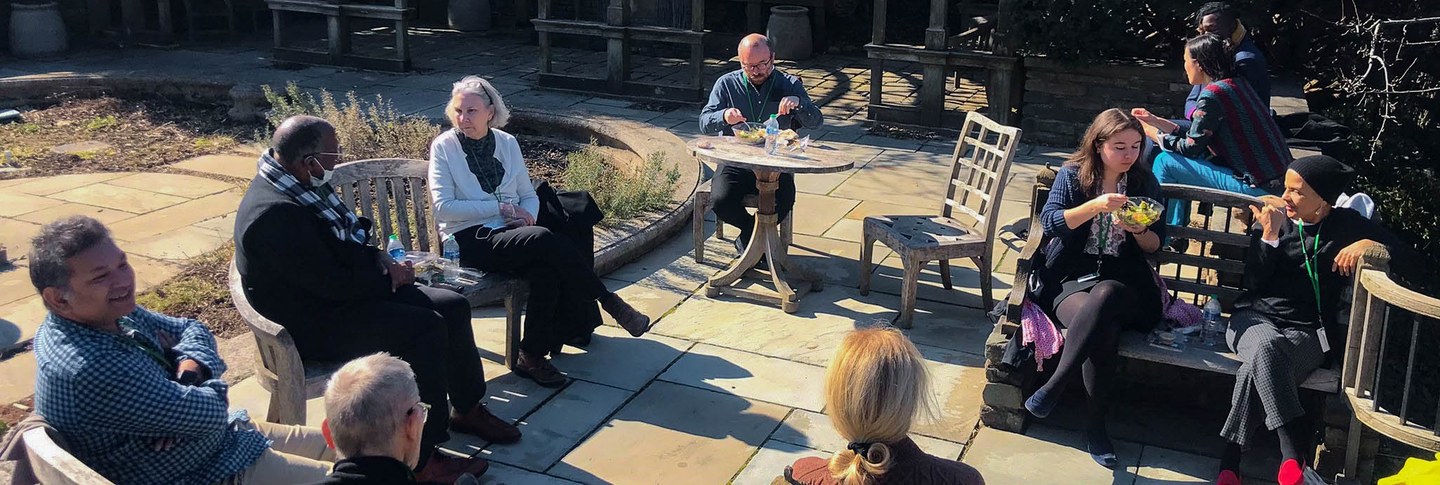
Another major mistake is neglecting to address how your presence enriches the residential community. Dumbarton Oaks heavily prioritizes scholarly exchange during daily communal meals and seminars. Proposals that project an isolated working style without engagement in multidisciplinary academic discussion score significantly lower during reviewer panels.
Always confirm current deadlines and requirements directly on the official program page before applying.
Ready to Apply?
Deadline is November 01, 2026 00:00. Don't miss it.
Apply on Official WebsiteNo application fee required through our portal.